

The Youth Lab
FROM SILOS TO SYSTEMS
Climate action can often feel like a conversation about individual choices: what we eat, buy, drive or throw away. But what happens when we zoom out and look at the systems shaping those choices?
This week’s 52INSIGHTS is a download from our experience at Climate Cocktail Club’s Climate Carnival 2026, an event that THINKHOUSE is proud to be the brand partner for. Here we share the conversations and ideas that stayed with us - and what they might tell us about building a more connected approach to climate action.
FROM SILOS TO SYSTEMS
Climate Carnival is the new climate festival created by Climate Cocktail Club, taking place in Ballintubbert Gardens & House, Co. Laois centred on one big idea: “From Silos to Systems.”
Across food, farming, nature, culture and business, the conversations pushed beyond individual action towards the structures that shape how we live.
What stood out to our team wasn’t one single climate solution, but the different ways that systems thinking came to life: through Ireland’s food supply, through the knowledge preserved in our language, and through younger generations looking beyond climate anxiety towards collective action.
Here are three of the ideas that stayed with us.
WHAT WE BROUGHT BACK FROM CLIMATE CARNIVAL
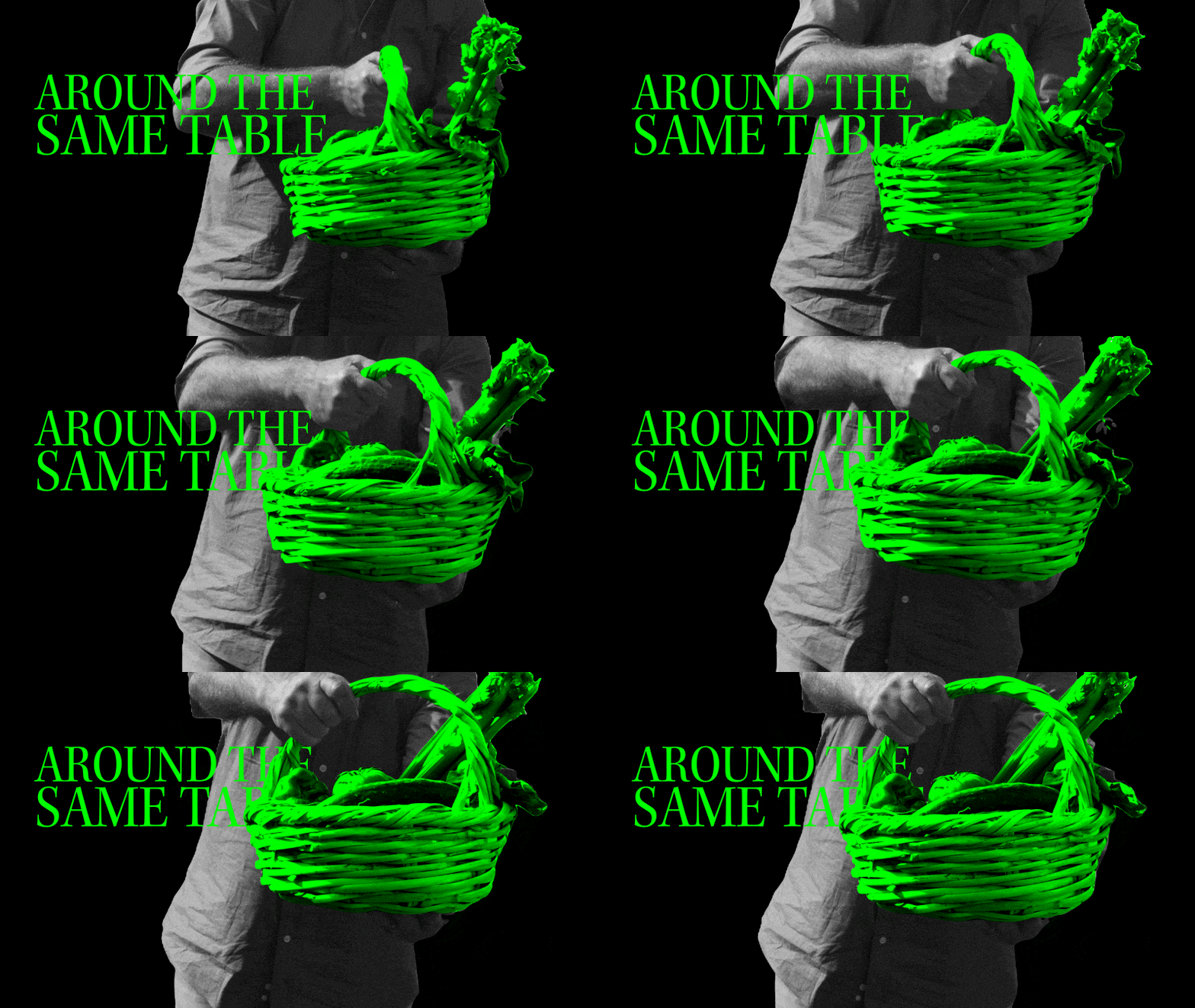
JANE MCDAID - FOOD SECURITY NEEDS AN ALL-SYSTEM APPROACH
"Because we work with so many food and retail brands, I joined every food-related event I could find.
It started with the Carnival's dinner with former President of Ireland, Mary Robinson, one of the ‘Guardians of the planetary boundaries’. She told festival-goers that Ireland was recently celebrated as the "second most food secure country in the world", and then called it "a myth". She went on to explain that Ireland imports 83% of its food, and 90% of the dairy and meat we produce is exported.
That gave me indigestion.
Our food system is being squeezed from every side - Farmers face rising costs, international competition and constraining conditions; retailers are fighting to keep food affordable on thin margins and households are already stretched by housing and energy.
What Ireland needs is systems leadership.
That means farmers, producers, retailers, government and business working together to balance fair value, affordability and the planet.
Ireland has the expertise, the businesses and a food story the world loves. But no part of the system thrives while another struggles. Communications can help by making the complexity make sense and building an ambition the whole country can get behind."
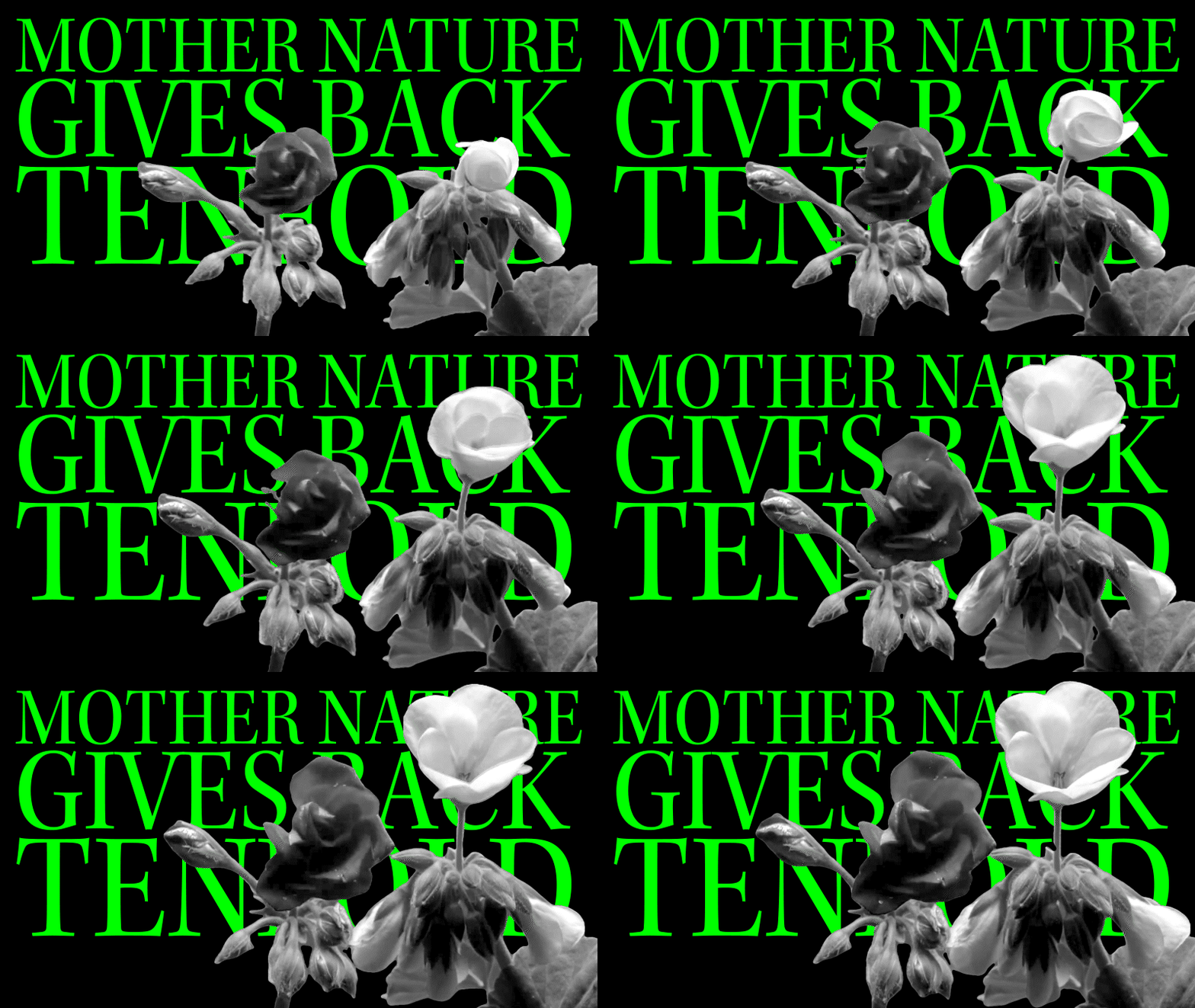
CLAIRE HYLAND - DUTIFUL CITIZENS GETTING BACK MORE THAN THEY GIVE
Mary Robinson also called on us to be dutiful citizens, drawing on Article 29 of the Universal Declaration of Human Rights: “Everyone has duties to the community in which alone the free and full development of his personality is possible.”
This was a powerful reminder that when participating as active citizens at a community level we get back way more than we give. She also reminded us that “We are nature. Nature is not separate.” When we take care of nature, mother nature gives back tenfold.
In the face of the climate and biodiversity crises, acting as a dutiful citizen makes reconnecting with nature in a way that benefits us not just collectively, but individually too.
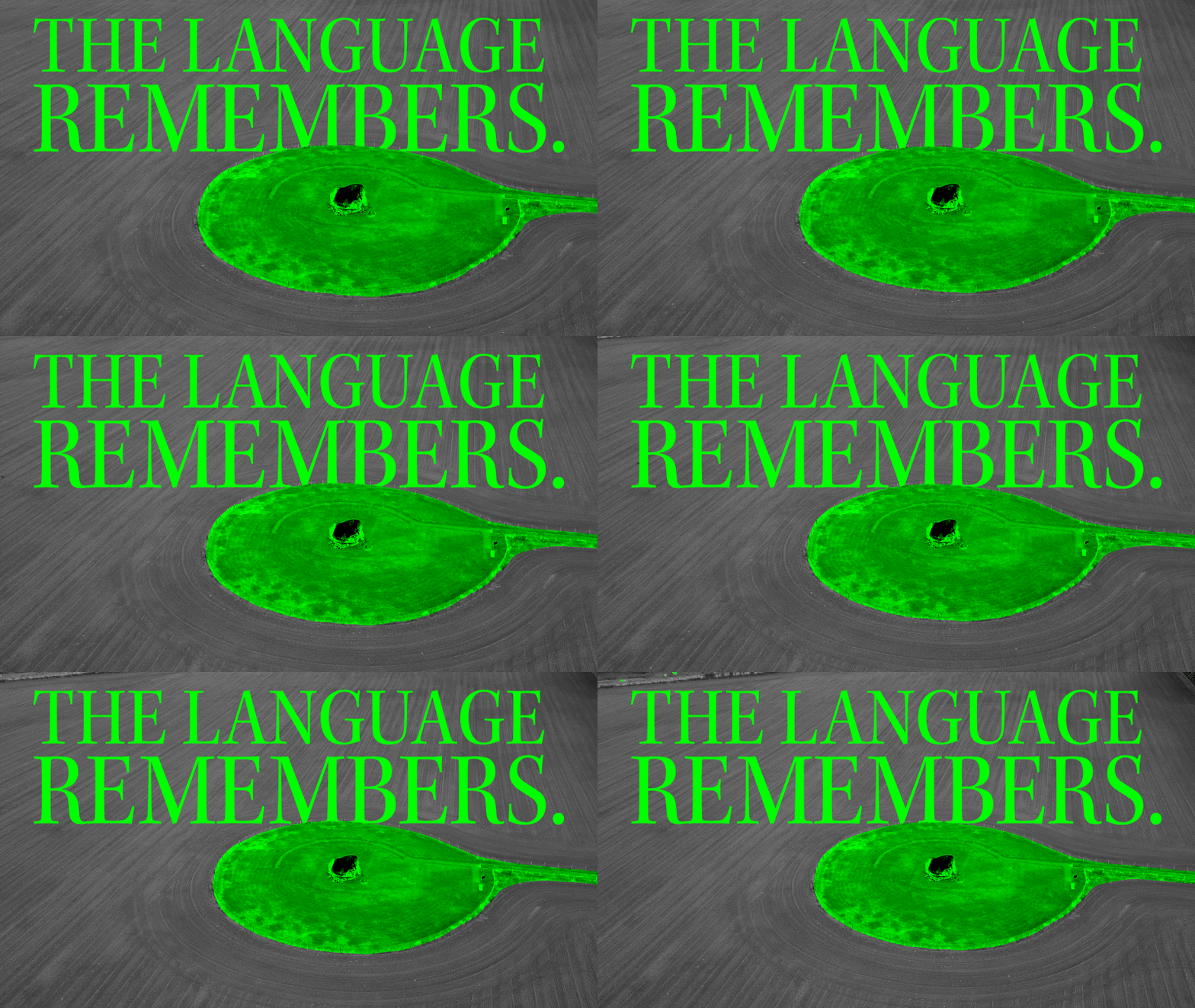
DONNA PARSONS - WHEN THE LANGUAGE REMEMBERS
For PR & Advocacy Director Donna Parsons, one of the most memorable sessions approached conservation from a completely different direction: through Gaeilge.
Hosted by Eoin Warner, Lisa Murray, Afraic Ó Ríordáin and Aisling Ní Dhonnabhá, the bilingual discussion explored the relationship between Gaeilge, the ocean and the natural world - and how much ecological memory can be held inside a language.
We tend to understand biodiversity loss through what we can physically see disappearing. But Irish words, placenames and stories contain references to trees, animals, rivers and landscapes stretching back generations.
The landscape may have changed, but the language remembers what was once there.
It raises an interesting question for conservation in Ireland. Gaeilge isn’t simply something that itself needs protecting; it can also provide a record of our relationship with the land.
Manchán Magan explored this idea in Thirty-Two Words for Field, looking at how much knowledge about landscape and ways of living can exist within language.
For Donna, it reframed conservation entirely. Protecting nature might mean more than looking at what surrounds us today. It might also mean listening more carefully to the culture, stories and language that tell us what came before.
This can help us create a shared ambition that people can believe in and act on.
EMMA KATE BUTLER - STEP OUT OF EXECUTION MODE
Climate Carnival came at the perfect time for Design Manager Emma Kate Butler - at the tail end of a very busy period.
“When we’re busy, it’s easy to go into execution mode. Sometimes we need to take ourselves out of the office and into nature to remind ourselves what really matters.”
One day in the gardens delivered plenty to take back: from SeaBins and ghost nets, to mangroves as “climate superstars”, the importance of culture inside organisations and new ways to communicate complex ideas.
But the moment that stayed with Emma most was the conversation connecting Gaeilge, our oceans and our relationship with the land.
Learning that over 40% of Irish placenames are connected to trees offered a simple but powerful reminder: reconnecting with our land can also mean reconnecting with our language.
JULIA GASPAROTTO - BEYOND CLIMATE ANXIETY
The sessions centred on younger voices particularly stood out to THINKHOUSE Designer Julia Gasparotto.
In Oceans Apart – Policy, Leadership and (In)action, host Jack O’Donovan Trá sat down with young activists Flossie Donnelly and Benjamin Bockarie to look at what happens when the next generation stops waiting around for policy to catch up.
Flossie started her community work at age 12, getting Ireland’s first SeaBins into the water and proving that age isn't a barrier to getting real work done. Benjamin brought a personal perspective on how quickly his local environment has changed in his lifetime, a stark reminder that young people are already living through the consequences of environmental damage.
A big part of the conversation focused on where current systems fall short. From slow-moving politics to schools that barely cover sustainability on a systemic level, the lack of real action often leaves young people feeling anxious and let down.
What made this session compelling was how it handled that anxiety. Instead of letting it turn into helplessness, Flossie and Benjamin showed how young people are building their own communities, starting charities, and forcing local change themselves. It shifted the narrative around youth involvement: they aren't just waiting to inherit these problems, but taking action now and pushing other generations to move with them.
THE THREAD RUNNING THROUGH IT ALL
Food systems. Citizen engagement. Language. Youth participation.
They might sound like very different conversations, but each points towards the same idea: meaningful climate action requires us to understand connections.
It means moving beyond asking consumers to carry the burden of change alone. It means recognising that culture can hold knowledge alongside science and policy. And it means giving younger generations a meaningful role in shaping the systems they will inherit.
That was perhaps the strongest takeaway from Climate Carnival.
Getting out of our silos isn’t just about putting different experts in the same room. It means recognising that the biggest challenges we face overlap - and that the answers will have to as well.
BRAND TAKEOUTS
Don’t Put Systemic Problems On Individuals
Whether it’s sustainable consumption, food choices or waste, brands need to be careful not to make people feel solely responsible for solving structural problems. Show what your organisation is doing alongside what you’re asking consumers to do.
You Are The Leader You've Been Waiting For
Systems change needs brands willing to lead from the front. That means looking beyond your own organisation, working with partners across the wider system and helping create solutions that work for everyone.
Make Complexity Understandable
Systems change can get complicated quickly. Brands and communicators have an important role in turning complexity into ideas people can understand, believe in and participate in - without oversimplifying the issue.
Culture Is Part Of The Climate Conversation
Climate communication doesn’t always need to begin with carbon. Language, food, heritage, identity and community can make environmental issues feel closer, richer and more relevant to everyday life.
Give Young People A Role Beyond Worrying
Climate anxiety is only one part of the youth story. Create meaningful opportunities for younger generations to participate, contribute ideas and build solutions. Agency is far more powerful than simply reminding people how bad the problem is.