CULTURAL PUSHBACK
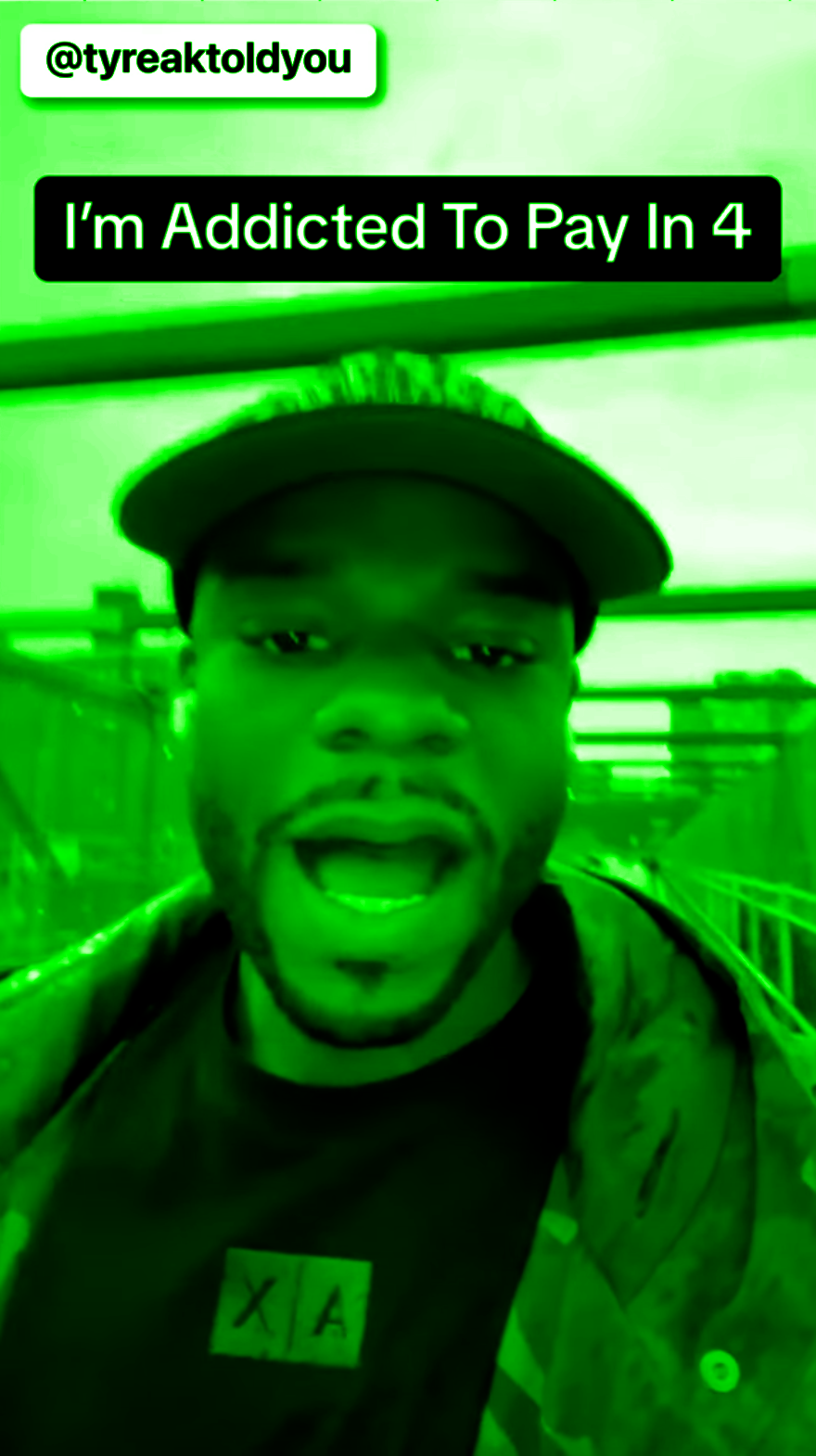
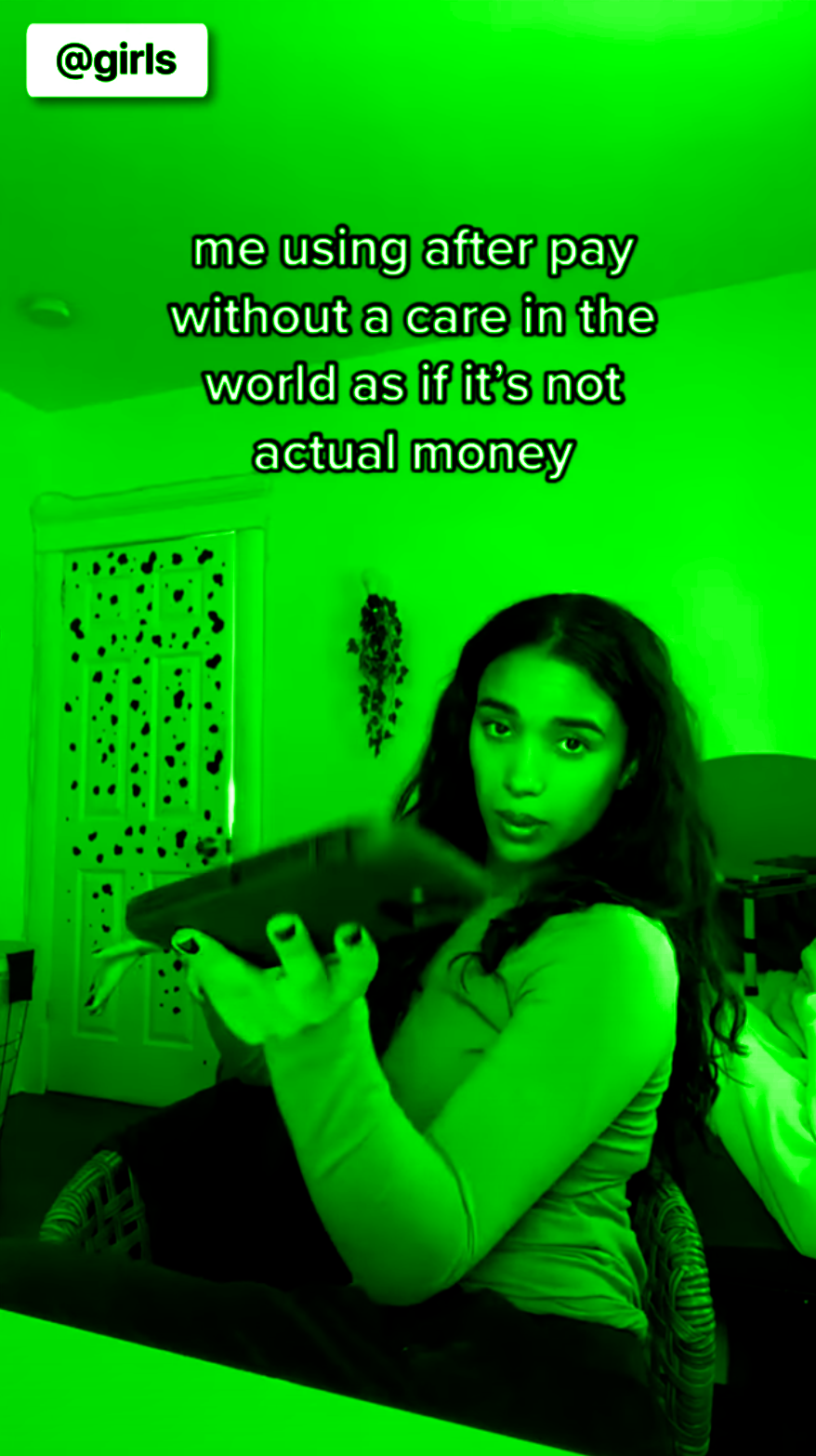
However, not everyone’s buying into the “buy now, pay later” hype. Alongside the surge in micro-credit is a countercultural wave driven by youth values of sustainability, minimalism, and financial autonomy. On TikTok, the #UnderconsumptionCore trend has amassed millions of views, with creators advocating for buying less, reusing more, and rejecting the constant churn of fast-fashion hauls. This movement positions conscious restraint as cooler than compulsive spending. Similarly, thrifting and resale platforms like Depop and Vinted are exploding, giving young people ways to align fashion with their climate values while sidestepping debt culture. Meanwhile, financial literacy is moving up the priority list of young people. “Cash stuffing” (the analogue envelope budgeting system) has racked up billions of views on TikTok, showing Gen Z’s appetite for tangible money management hacks. Studies also show that 60% of Gen Z want to improve their financial literacy to avoid falling into cycles of debt. And as our recent social-first, creator-led youth campaign for AIB, ‘Today’s Choice,’ reflects, young people don’t always understand the future impact of the choices they make today. The campaign was designed to build financial confidence among 16–24-year-olds at the start of their life journey, empowering them to progress towards a better future. Through relatable stories about money, independence, and future planning shared by content creators, this is exactly the type of content to help young people understand what’s at stake when it comes to BNPL and money management. This pushback against BNPL may help save money, but it’s also a symbolic act against hyper-consumption, debt traps, and the pressure to constantly keep up. What emerges is a generational tug-of-war: on one side, the allure of instant gratification; on the other, a rise in slow consumption and mindful spending as the new markers of financial independence and cultural credibility. |