

The Youth Lab
LISTEN UP! THE FUTURE IS TALKING
Young people are challenging the systems shaping their lives and futures. For the organisations that serve them, the real test of leadership may not be how quickly they respond, but how deeply they listen – and what they’re prepared to change as a result.
A GENERATION AT A TIPPING POINT
For young people in Ireland and across the globe, the milestones that once signalled a secure future feel increasingly out of reach. The cost of living is rising. Work offers no guarantee of security. Housing is unaffordable. And the promise that hard work leads to a better life feels less certain.
The UN warns that 1.2 billion young people in developing economies will enter the workforce over the next decade, while around 400 million jobs are projected to be created. It’s a stark reminder of the gap between a generation’s potential and the opportunities available to it.
Across Europe and beyond, frustration is spilling onto the streets. In France, students are protesting teacher shortages, overcrowded timetables and deteriorating school conditions. In Germany, young people are mobilising against underfunded schools, austerity and the cost of living; in Greece, students are demanding better-funded education and affordable housing. In Spain, the housing crisis is front and centre; in Italy, protesters are calling for better wages, jobs and public services; while in Albania, students have joined wider anti-government protests over alleged corruption. In India, concerns include democratic accountability, political representation and economic opportunity.
The circumstances differ, but a common question underpins them all: what happens when the systems meant to give young people a fair chance at the future seem to be making it harder to achieve?
FROM LOCAL GRIEVANCES TO GLOBAL MOMENTUM
For years, social media has given young people new ways to challenge power, call out brands and share experiences that might once have gone unheard.
But being heard isn't the same as having the power to change things.
And while grievances may be local, the conversation increasingly crosses borders. Young people see how their peers elsewhere organise, challenge authority and imagine alternatives. As this analysis argues, we may still define generations by country, but young people don't necessarily experience themselves that way.
A generation can be a minority at home and still feel part of a much bigger conversation.
Young people's expectations are shaped not just by their immediate circumstances, but by what they see happening around the world. For organisations, understanding them means looking beyond demographics to the realities, ambitions and frustrations shaping their lives.
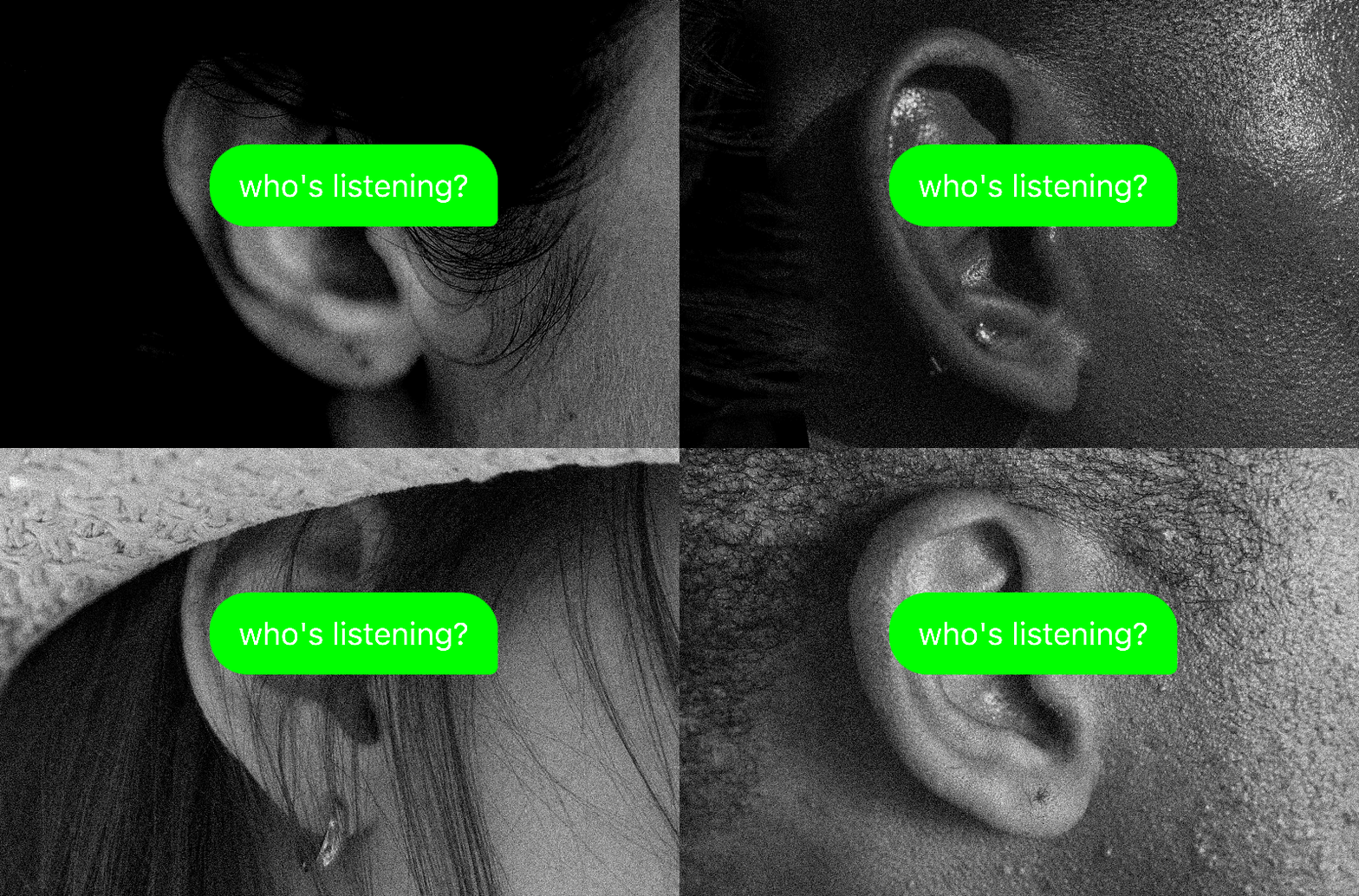
THE BOLD THING ISN'T ALWAYS TO ACT. SOMETIMES IT'S TO LOOK HARDER.
When a generation is telling us something isn't working, the instinct is often to respond quickly. Launch a programme. Create a campaign. Offer a solution.
But what if we haven't properly understood the problem?
The challenge isn't just helping young people navigate the world as it is, but questioning whether the systems around them are giving them a fair chance.
That means listening to their experiences and being willing to challenge our own assumptions. What are we taking for granted? What's helping, what's getting in the way, and what needs to change?
There may be no immediate answers. Progress takes experimentation, learning and a willingness to accept that the future may need to look different from the past.
“Young people are the first to spot when a system no longer works for them but often the last to be invited to question it. The smartest organisations won't rush to provide answers before they've properly understood the questions. They'll take the time to understand young people's realities, ambitions and frustrations, and have the courage to challenge their own assumptions about what needs to change.” - Jane McDaid, Founder, THINKHOUSE
SIX ORGANISATIONS LEADING BY LISTENING
Leading organisations are finding more formal ways to bring young people into decisions. These examples are starting points, not proof of system change – but they show what listening can look like in practice.
1. AIB: DECODING THE YOUTH ECONOMY This week our partner AIB launched The Youth Economy Decoded – a report exploring how young people learn, earn and spend – challenging assumptions and helping inform how the bank supports their financial futures.As stated by Orlaith Ryan, AIB’s Chief Customer Officer, “We recognise the unprecedented challenges and opportunities young people face today, which require renewed focus and meaningful support. This report gives us a clear sense of what young people need and informs AIB’s ambitious plans to support the next generation over a number of years.”
2. PUMA: PUTTING SUSTAINABILITY TO THE YOUTH TEST Through Voices of a RE:GEN, PUMA invited Gen Z environmental advocates to challenge its sustainability work. In 2025, participants created social and video content explaining PUMA’s Sustainability Report, bringing younger perspectives into the conversation about its progress and challenges.
3. CIÉ: BRINGING YOUNG PERSPECTIVES ON BOARD Transport Trailblazers Youth Board, which we're proud to have launched in partnership with CIÉ, gives young people a route to influence conversations about public transport – as both customers and citizens who will inherit the system.
“The perspective of young people as both citizens and customers matters to us. As citizens, they will challenge us to deliver a public transport system that is sustainable, accessible and fit for the Ireland they will inherit. As customers, they will tell us plainly what works and what doesn’t. The CIÉ Youth Board gives us an opportunity to not only listen, but to mobilise around those valuable insights." - Stephen Kent, CEO, CIÉ
4. WALES: EMBEDDING YOUTH IN POLICY MAKING In March 2026, the Welsh Government introduced a statutory framework for youth work, requiring local authorities to plan services around young people’s needs and views. Crucially, they must show how young people’s input informs their plans – and continue to seek their views as those plans are delivered.
5. SAINSBURY’S: CO-DESIGNING YOUTH EMPLOYMENT In August 2026, Sainsbury’s announced a programme aiming to create 10,000 work-experience opportunities. Co-created with youth employment partners to better understand the barriers young people face, Sainsbury's KickStarter supports 16–24-year-olds not in education, employment or training (NEET) with practical skills for job applications, interviews and entering the workplace.

6. EU YOUTH CONFERENCE: SHAPING EUROPE’S YOUTH AGENDA
During Ireland’s EU Presidency, around 300 young people, youth representatives, researchers and policymakers from nearly 40 countries gathered in Dublin for the EU Youth Conference in September 2026. Their recommendations on information, media literacy and constructive dialogue will help inform the next EU Youth Strategy.
Each of these examples boils down to the realisation that before we build the future, we need to understand why the present isn’t working.
WHEN YOUTH FLOURISH, EVERYONE BENEFITS
Listening to young people isn't just a relevance play. It's about understanding what needs to change to build a future that works for them – and, by extension, everyone.
When young people can access opportunity, build secure lives and contribute to society, the benefits extend across generations, strengthening communities, economies and institutions.
The reverse is true, too. When young people feel they have little stake in the future, the consequences reach far beyond their own lives. In an ageing society like Ireland, as the NESC highlights, prosperity across generations is interconnected. If younger people cannot access housing, opportunity and the foundations for a secure life, Ireland risks undermining its long-term economic and social resilience.
Listening is essential to building trust. On its own, it won’t build trust, but without it, credibility is hard to earn. The OECD highlights how institutional responsiveness, reliability and fairness shape trust. Ultimately, people need to see that their voices make a difference.
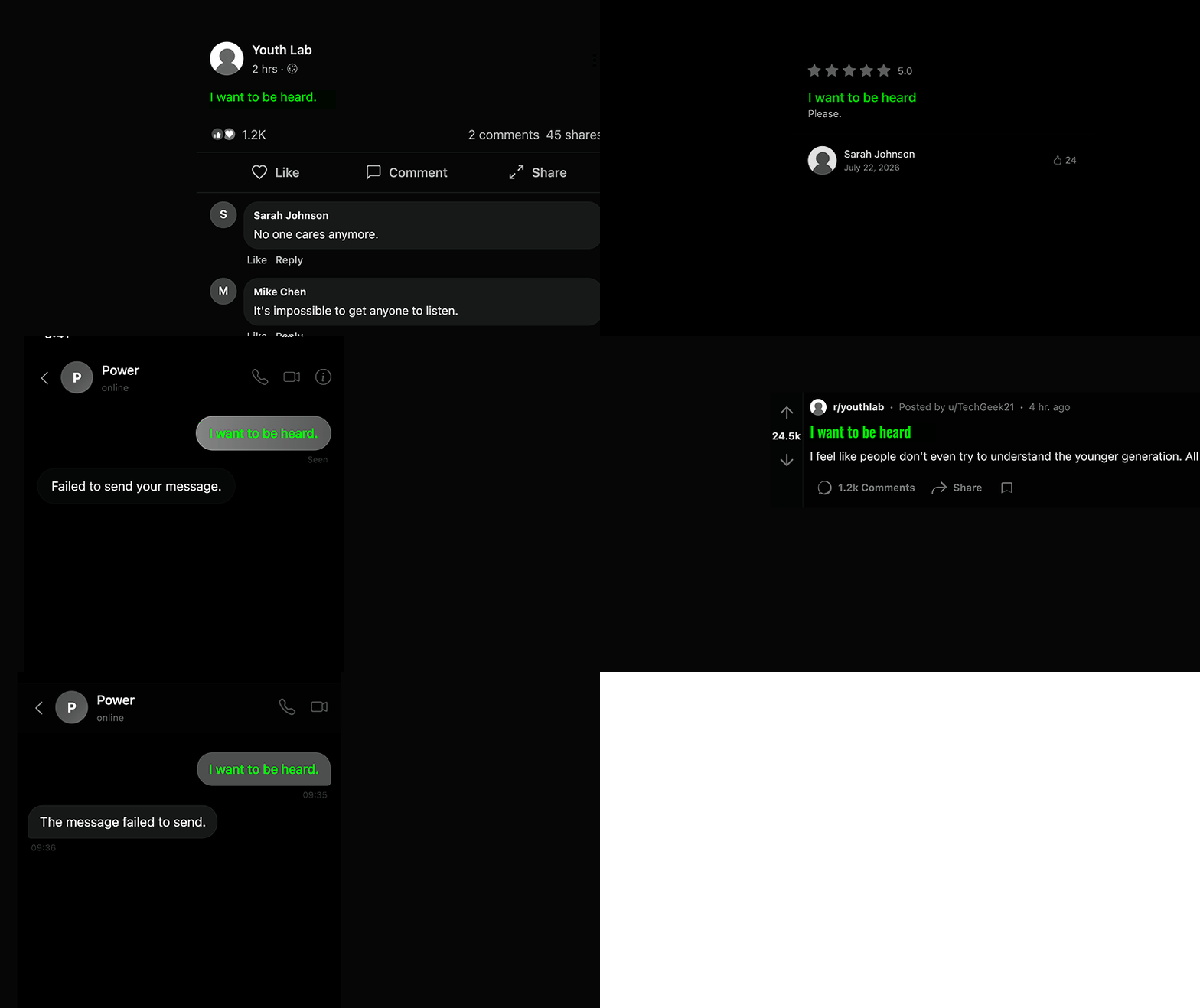
BRAND TAKEOUTS
01. UNDERSTAND THEIR WORLD, FROM THEIR POV Young people are growing up in a world dramatically different from the one Gen X, Boomers and even Millennials experienced in their youth. Don’t assume the lessons of the past still apply.
02. QUESTION THE SYSTEM, NOT JUST THE SYMPTOMS Interrogate whether the structures around young people are helping them succeed – or making it harder. See the bigger picture beyond individual frustrations and be open to unexpected answers.
03. LISTEN WITH THE COURAGE TO CHANGE – AND EXPERIMENT Listening only matters if it influences what happens next. Not every answer will be clear from the start. Progress takes learning, testing and a willingness to experiment and adapt.
04. TURN UNDERSTANDING INTO SHARED ACTION Give young people a meaningful role in the decisions that affect them, and show how their perspectives influence what happens next.
05. RECOGNISE THAT YOUTH PROSPERITY IS EVERYONE'S BUSINESS A generation’s ability to build a good life affects the health of wider society. Creating the conditions for young people to flourish benefits everyone.