

The Youth Lab
Welcome to the Influencer Olympics (Previously Known as Coachella)
Week Two of Coachella and the annual rush to the desert is in full swing, with 250,000 gathering over two weekends filled with music, curated chaos and the quiet realisation that Coachella is now as much a brand moment as a fan moment.
In this edition of 52INSIGHTS, we explore how Coachella, now one of the most talked-about music festivals in the world, has become the “Influencer Olympics”, where access, aesthetics, and brand presence now shape the cultural conversation as much as the music itself.
The Influencer Olympics:
In many ways, Coachella has become one of the clearest examples of how culture now moves: through images, aesthetics, and the performance of access.
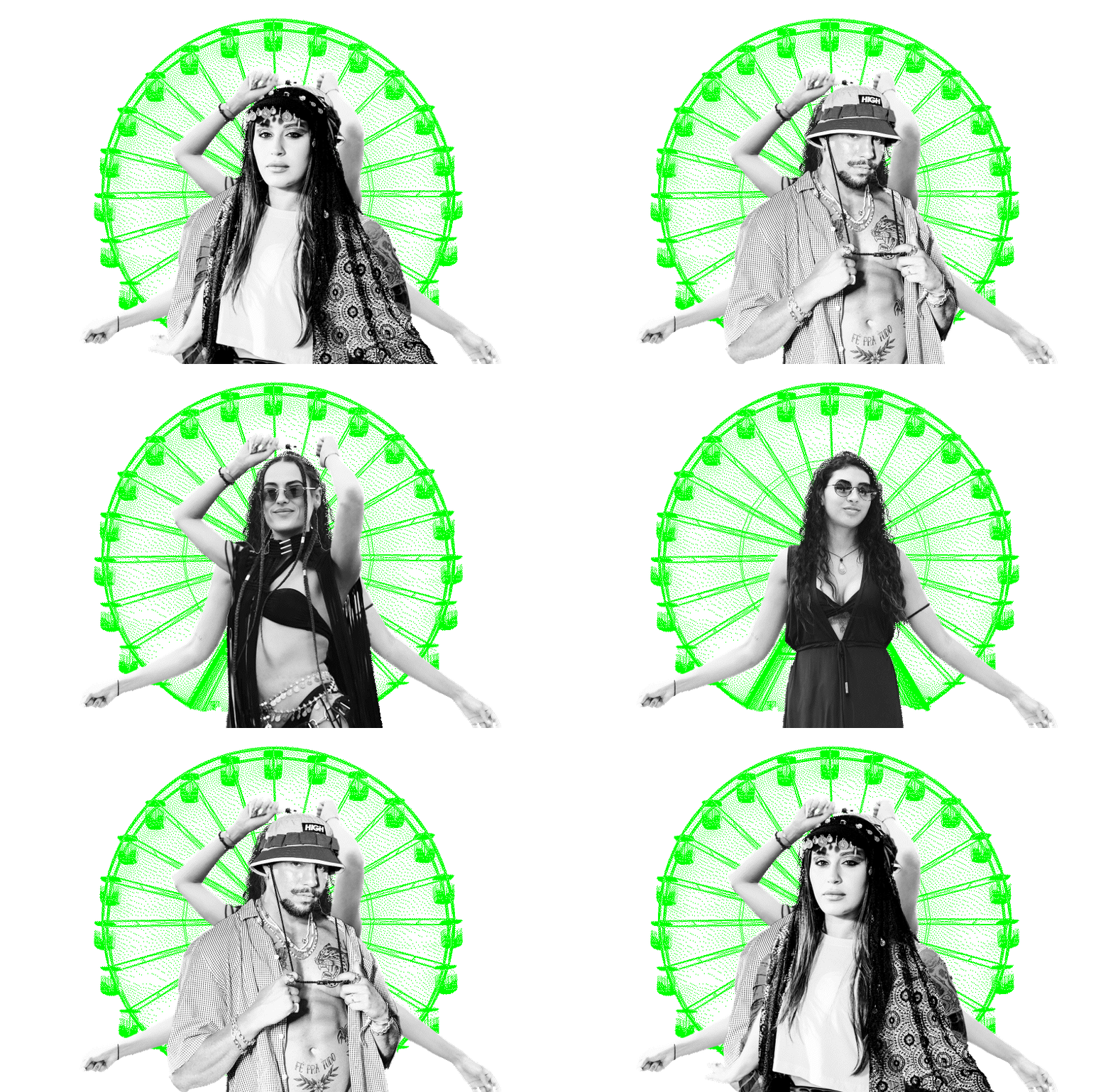
For the last few years, influencers have reshaped the visual language of Coachella. Outfits, brand trips, and invite-only parties now shape how the weekend is documented and remembered. In the lead-up to the festival, several creators took to TikTok to publicly plead with brands to take them to Coachella, laying out long lists of reasons why they believed they deserved a place at the festival. For some audiences, the so-called ‘Influencer Olympics’ makes Coachella feel less like a festival and more like a competition for clout and access.
When Access Becomes the Experience:
“Revolve Fest just looks like one big influencer playground to me”
@AJMarshall via TikTok
It appears that Coachella now reflects a wider cultural pattern, where influence becomes the cost of entry rather than the byproduct of genuine participation.
Rhode World and Revolve Fest have also turned exclusivity into part of the appeal. These creator-led mini festivals are built for visibility, designed for content, and engineered to travel well across social media. However, there is still a need for balance. The best brand-led festival experiences are not only exclusive to influencers but also exclusive in a way that still feels intentional, on-brand, and culturally relevant. The problem starts when exclusivity becomes the whole point, and the experience begins to feel detached from the wider audience it is supposed to speak to.
Brands that Live Beyond the Guest List:
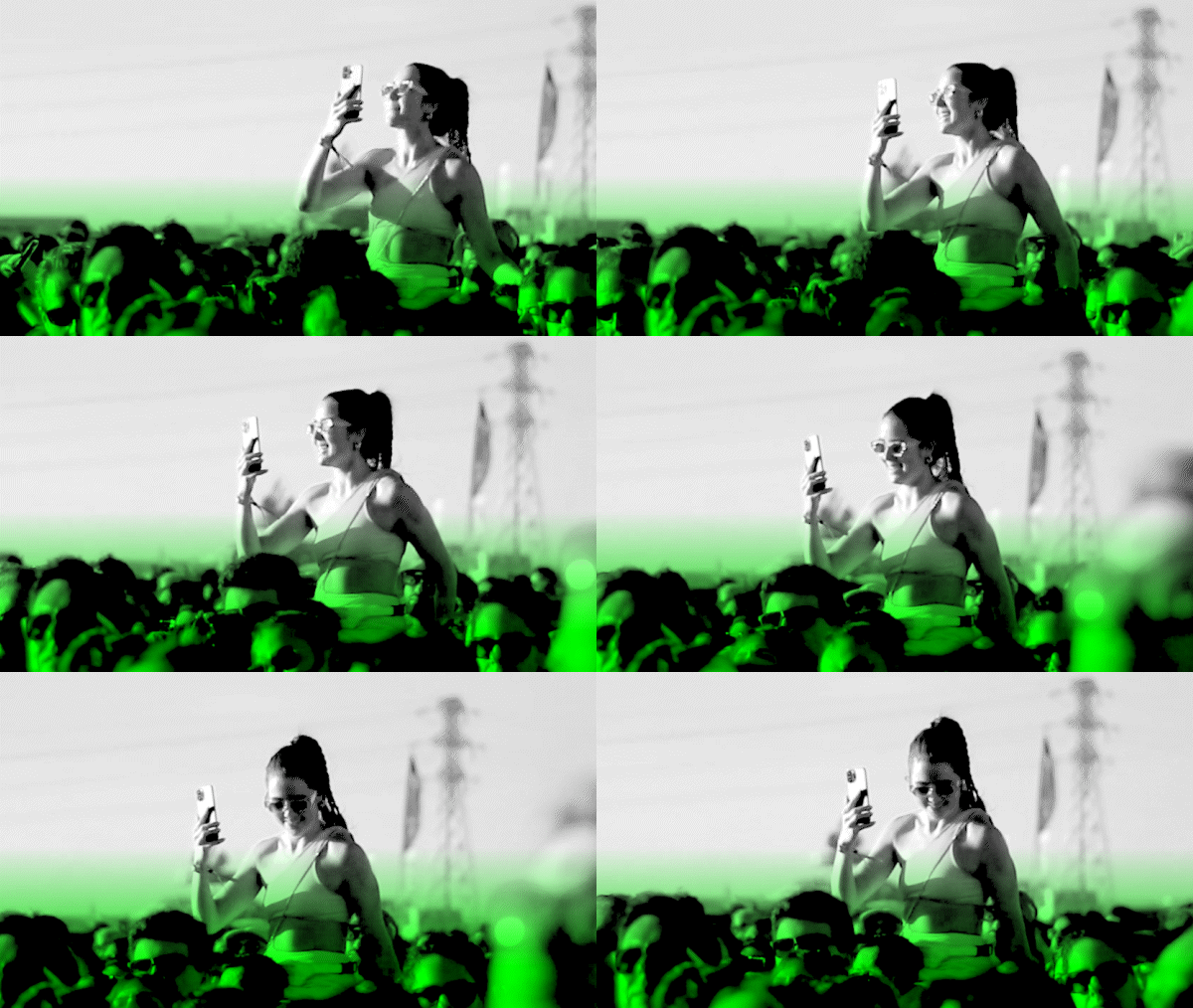
Brands that provide an experience that lives beyond a guest list and show up in a way that is true to the original Coachella environment are the ones that will win. Some of the brands that showed up this year were GAP, Medicube, HEINEKEN, and ABSOLUT. Rather than treating Coachella as just another space for content, these brands curated experiences that felt purposeful and on brand.
HEINEKEN HOUSE leaned into what the festival does best - it created a space for social connection, live music and collective energy. The alcohol brand also debuted a new interactive smart band called ‘The Clinker’, a wearable that wraps around cans and glasses and uses a user’s streaming‑music data to connect festival‑goers with similar tastes, turning shared playlists into real‑time conversations on the ground.
Korean skincare brand Medicube brought the music beyond the main stages with its interactive karaoke lounge, along with a vanity set-up where people can get ready using Medicube products. Gap’s Hoodies House invited attendees to personalise their Gap hoodies on site with limited edition Coachella patches and charms, turning a simple merch moment into something that’s uniquely theirs.
ABSOLUT showed up with their Heat Haus activation, inviting attendees to connect through music and immersive experiences designed to be lived, not just posted. These brands did more than just show up; they offered moments of connection and belonging. They understood what people actually want at Coachella: escapism, fun, and something worth talking about beyond the weekend.
An Unexpected Lesson from Bieber:
Amongst the chaos of the Influencer Olympics and mini festivals, one headline act pulled the conversation back from content to culture. Justin Bieber returned to the stage, headlining on Saturday night with a performance that both festival‑goers in the desert and viewers streaming from home are unlikely to forget.
Bieber’s stripped-back Coachella performance cut through all of the noise of the festival. Streaming from his laptop, the artist revisited older songs and leaned into a nostalgic, intimate set-up, delivering something that felt far more authentic and raw than anything experienced at the festival.
Even with what was reported to be the most-viewed performance in Coachella history, the performance still felt personal. That is what made it so memorable: he delivered something that felt authentic while connecting with the audience that he grew up in front of - near-nostalgia at the best. In a weekend full of maximalism, Bieber’s set reminded everyone what Coachella is really about: music, connection and culture.

Brand Takeouts:
Coachella may have changed, but the reason people still care about it has not disappeared. It is still a place where culture, identity, and aspiration collide. The brands that understand that will build more than a moment. They will build relevance.
And for the brands showing up this festival season, remember:
Belong, don’t interrupt: The strongest Coachella brands created experiences that felt native to the festival, enhancing the moment rather than hijacking it for content.
Access is not the same as relevance: Exclusivity can drive attention, but brands win when people feel part of the experience, not just spectators to influencer access.
Connection cuts through spectacle: Bieber’s set was the clearest reminder that emotional connection still cuts through harder than content, hype or chaos.