

The Youth Lab
JOIN THE QUEUE
What’s the longest you’ve ever queued for something? Minutes? Hours? Days? We’ve all waited in supermarkets, cafés and airports, but the emerging trend of queuing around the block for a new pastry or skin cream has slowly crept into a cultural norm. In this edition of 52INSIGHTS, we explore if these are signals of mindless consumption, or is there something more at the end of the line? Could the Gen-Z queue reenergise the dying high-streets?
QUEUE THE HYPE
In the 70s and 80s we saw the beginning of overnight queuing for concert tickets, with fans camping out to guarantee the best seats.
Black Friday queues in America were once scenes of rabid scrambling for discounted TVs. Many unlucky shoppers would leave with nothing more than a black eye.
But the queues of stadium gigs and Black Friday sales were quelled by changing online shopping habits. Ticketmaster’s shift to online sales created a new phenomenon, the virtual queue.
If online shopping has become so ubiquitous, why are we now seeing so many queues everywhere?
WHAT'S DRIVING QUEUES?
The gap between necessity and luxury is shrinking.
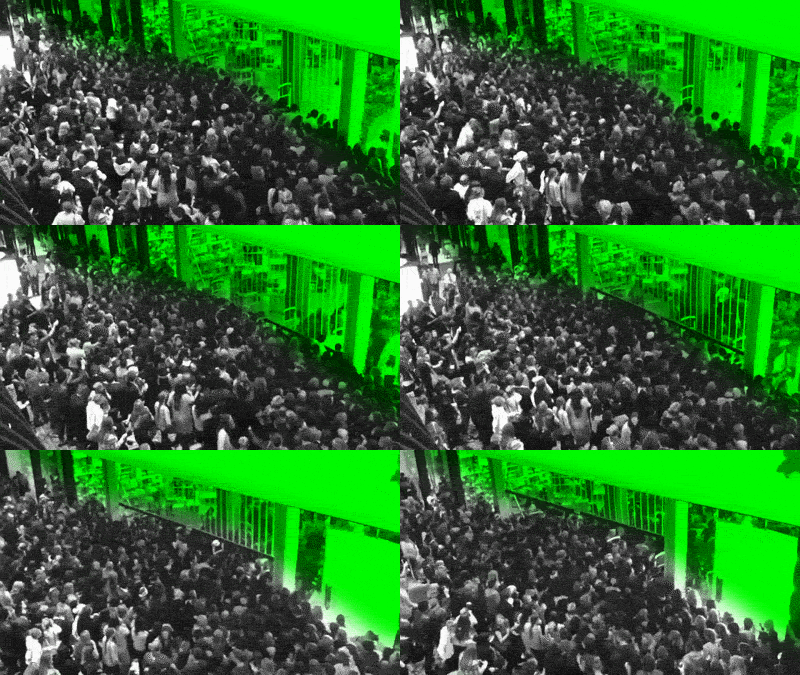
In recent decades, large queues were associated with luxury brands and special treat purchases. Expensive concert tickets, streetwear drops, a once-in-a-generation video game. Now people are queuing for hours to buy the newest Trader Joe’s tote bag or Stanley water bottle; relatively affordable items. Huge queues line the high-streets as Danish bargain-store Normal opens more shops internationally. Young people are eagerly waiting to buy low-cost, everyday items like cosmetics and toiletries. This reflects a growing shift in Gen-Z spending habits.
With the rising cost of living, the goalposts of what’s considered a treat have moved. Feeling priced-out of larger purchases, many Gen-Z consumers are splashing out on nice-to-have items. Buying a coffee, pastry or slice of pizza, once a casual purchase, has become a special occasion.
Queueing is now an event.
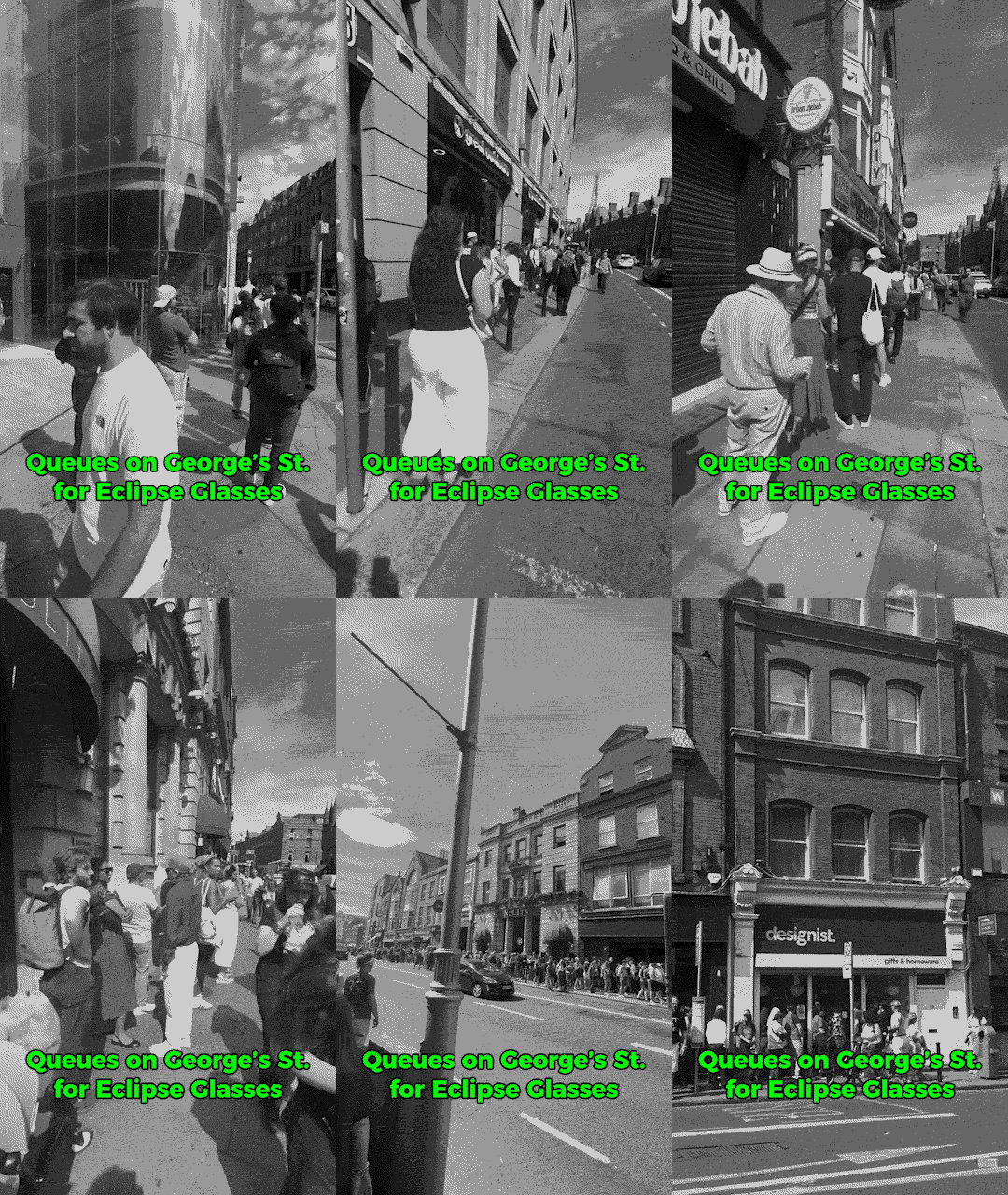
Queues themselves are going viral. Hands up, who left it to the last minute to buy some solar eclipse glasses? Dublin’s George’s Street saw a line of hundreds of people in a last ditch effort to secure a pair. For some, the videos of the queues were a better watch than the eclipse itself. Previously when we queued, our only objective was to get to the front. Now the queue itself is becoming an experience in and of itself. For brand fans, this is an opportunity to make friends and create content with their like-minded peers.
Alternative Dublin
This organic community-building is strengthening brand loyalty. At the official opening of Korean skincare brand Skincupid’s flagship store in London, fans camped overnight in November weather to be the first customers and receive a goodie bag. But product incentives aside, many of the fans were just as excited to meet new people and bond over their love of the skincare range. Some fans went so far as to create new whatsapp groups to stay in touch long after the queuing had finished.
Queuing is delayed gratification.
In a time with an overwhelming choice of on-demand services for food, entertainment and information, convenience has never been higher. So why would someone choose to wait, potentially hours, for something when there are always quicker alternatives? Some fans are choosing to exercise their patience. Taking a slower, conscious approach to consumption may enhance the experience and leave lasting memories.
Dr Nilufar Ahmed, a psychologist at the University of Bristol says this anticipation for a reward releases dopamine and this feeling is enhanced if there is a factor of exclusivity in the reward, like a limited-edition item.
WHERE IS THIS QUEUE GOING?
Shopping high-streets are dying. Rising rents and online shopping have made operations unfeasible for many businesses. They need footfall and there’s a certain cohort with plenty to spare.
In a time of dwindling third-spaces, young people have turned shopping into an opportunity to hang out. 65% of Gen-Z prefer physical brick & mortar shopping over online services. This goes hand-in-hand with their desire to engage more with their communities. The growing Gen-Z want for in-person social activities shows the potential to revitalize our town centres.
BRAND TAKEOUTS
Queues are a metric of both brand loyalty and curiosity. People who are willing to give their time to experience a brand should be celebrated. Brands can make queuing more engaging by adding activities and incentives to get to know your neighbour.
Queueing is now not only an event and experience, but a content creation opportunity: Young people aren’t only buying the item at the end of the queue; they’re buying into the anticipation, ritual and story surrounding it. Treat every touchpoint, from social discovery to the wait itself as part of the experience.